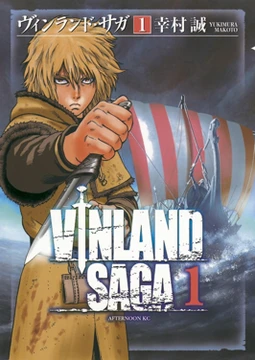
The Danish Invasion Fleet
The wooden wolves that swallowed a kingdom.

The Danish Invasion Fleet represents the formidable naval military force of Denmark, primarily mobilized under King Sweyn Forkbeard during his campaigns against Anglo-Saxon England. In the narrative of Vinland Saga, this armada serves as the primary instrument for projecting royal power across the North Sea, shifting the balance from localized raiding to organized conquest. It is not merely a collection of ships but a symbol of the transition toward imperial rule in the region. This faction plays a pivotal role during the London Arc and subsequent political shifts involving Cnut Canute. The fleet facilitates the movement of troops that eventually challenge the English throne, setting the stage for the North Sea Empire. Its presence looms large over the story's geopolitical landscape, influencing the decisions of mercenaries like Thorkell and shaping the destiny of young warriors caught in the crossfire.
- Primary Leader
- Sweyn Forkbeard
- Successor Commander
- Cnut Canute
- Affiliation
- Kingdom of Denmark
- Operational Theater
- Anglo-Saxon England
- Era
- Late Tenth Century
- Vessel Class
- Viking Longships
- Status
- Active during Invasion Arcs
Lore & Background
Historically and narratively, this fleet is driven by the ambition of Sweyn Forkbeard to claim the English crown. The motivation often stems from retribution for past massacres against Danes living in England, turning naval logistics into an engine of vengeance. The ships are designed for speed and shallow water navigation, allowing them to strike deep inland via rivers before retreating quickly if needed. Within the fleet, command is a blend of royal authority and martial prowess. While the King dictates strategy, experienced commanders manage the brutal realities of boarding actions and beach landings. This organization allows Denmark to field a force that overwhelms traditional English defenses, which were often unprepared for sustained amphibious warfare on this scale. The legacy of these ships extends beyond the immediate battles. They carry the seeds of Cnut’s future empire, transporting not just warriors but the political will necessary to unify Scandinavia and England under one banner. The fleet represents the end of an era where Vikings were solely raiders, marking their arrival as kings and rulers who command the seas.
In Their Own Story
The salt spray stung Thorfinn's eyes as he stood on the prow, watching the grey horizon swallow the sun. Below, the oars dipped in unison, a rhythmic heartbeat of wood against water that echoed through the hulls. The English coast was close now, visible only as a dark smear against the mist. No one spoke; the weight of the coming war pressed heavier than the wet wool on their backs. They were not here to raid for silver or cattle this time. The King's order hung in the cold air like smoke: take the land, hold it, rule it. As the first dragon head broke the fog line, the silence shattered into a roar of steel and song.
Reader's Guide
The fleet functions as an extension of the Danish Crown, with Sweyn Forkbeard holding absolute command authority over all naval operations and strategic direction. Beneath him lie regional jarls and trusted generals who manage individual squadrons during transit and landing phases. This rigid structure ensures loyalty remains fixed on the monarch rather than individual warlords seeking plunder. Mercenary bands often integrate into this force, blurring the lines between state soldiers and hired warriors. Thorkell the Tall exemplifies this dynamic, commanding elite troops that serve both personal ambition and royal objectives. His presence highlights how military genius is leveraged to secure conquests beyond simple naval raids. These alliances shift based on who holds the throne or controls the gold. Ideologically, the fleet marks a transition from traditional Viking raiding toward organized imperial expansion. Early crews sought loot, but later campaigns aimed at permanent occupation and kingship. This evolution culminates in Cnut’s rise, where the navy becomes a tool for governance rather than just destruction. The shift reflects the changing nature of power in the North Sea region during this turbulent era.
Did You Know?
- The fleet was instrumental in securing Cnut's future claim to the English throne following Sweyn's death.
- Thorkell the Tall served as a key military commander within these Danish forces before his political maneuvering shifted alliances.
- The invasion campaigns were partly motivated by retribution for the St. Brice's Day Massacre, where Danes in England were killed.