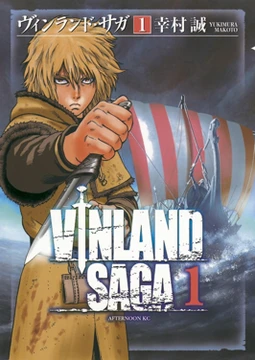
The Longship
The wooden wings that carried Vikings from the fjords to the edge of the world.

In the world of Vinland Saga, the longship is far more than a mere vessel; it is the beating heart of Viking culture and the primary engine of their expansion across the North Atlantic. These slender, shallow-draft vessels, characterized by their iconic clinker-built hulls and single square sail, allow warriors to navigate both the open ocean and the treacherous, shallow rivers that lead deep into enemy territory. For characters like Thorfinn, Canute, and Floki, the longship represents freedom, conquest, and the relentless drive to find new lands.
- Type
- Viking War Vessel
- Primary Users
- Norse Vikings (Danes, Norwegians, Icelanders)
- Key Feature
- Shallow draft enabling river navigation
- Propulsion
- Oars and square sail
- Construction Method
- Clinker-built (overlapping planks)
- Narrative Role
- Symbol of mobility and conquest
Lore & Background
Beyond their military utility, these vessels serve as a microcosm of Viking society within the story's narrative. Life aboard a longship is harsh and communal, binding crews together through shared danger and the rhythm of rowing. The ship becomes a mobile home where hierarchy is tested, alliances are forged in blood or drink, and the ambition to reach the mythical Vinland is kept alive against the odds.
In Their Own Story
The wind died just as they crested the swell, leaving the longship drifting silently on a glassy sea. Thorfinn stood at the prow, his eyes scanning the horizon where the mist clung to the water like a shroud. The oars were stilled, the rhythmic slap of wood against water replaced by the creaking of the hull and the distant cry of a gull. In that silence, the ship felt less like a machine of war and more like a living thing, holding its breath as it waited for the next gust to carry them toward the unknown.
Reader's Guide
The longship functions as the primary mode of transport and warfare for Norse characters, relying on a combination of wind power and human muscle. When the breeze is favorable, the large square sail catches the air, allowing the vessel to glide swiftly across open waters with minimal crew effort. However, when winds fail or in calm river waters, the ship's true versatility shines through its banks of oars. Every able-bodied man on board becomes a rower, providing the power needed for precise maneuvering during raids or for navigating shallow, winding waterways where larger ships would run aground. Wielded by everyone from seasoned jarls to young thralls, the longship requires no single master but rather a cohesive crew. Its design allows it to be beach-launched directly onto shore, turning every landing into an immediate assault or settlement opportunity.
Did You Know?
- The shallow draft of these ships allowed Vikings to sail far inland, reaching cities hundreds of miles from the sea coast.
- Clinker-built construction made the hull flexible, allowing it to flex with waves rather than breaking under stress.
- Longships were often dragged over land (portaged) between different river systems to bypass obstacles or connect waterways.
- The ability to row effectively allowed these vessels to operate independently of wind conditions during critical battles.
Design and Construction
The longship represents a pinnacle of Nordic naval engineering, characterized by its slender, elongated hull designed explicitly for speed and shallow-water navigation. Built using the clinker method, where overlapping wooden planks were riveted together, these vessels offered exceptional flexibility and durability in rough seas. The ships were primarily propelled by oars but later incorporated large woolen sails that, combined with the raised dragonhead at the prow and tail at the stern, created a visual effect resembling a flying dragon. This aesthetic led enemies to dub them "dragonships." Construction materials varied regionally; Norwegian builders favored pine from vast local forests, while Danish craftsmen often utilized oak. Despite regional variations in size and specific features, ranging from small karves to massive dragons, all longships shared the fundamental goal of transporting large crews of warriors rapidly across diverse waterways.
Strategic Military Utility
The primary function of the Viking longship was not naval combat but rather the rapid projection of military force onto land. These vessels served as floating troop transports, capable of navigating both open oceans and shallow rivers to strike undefended coastal settlements deep inland. The leidang system ensured that local communities contributed ships and men, allowing kings to assemble formidable fleets quickly for raids or defense. While designed for landing troops, longships could also engage in traditional naval warfare; during the 10th century, crews would tie vessels together offshore to create stable platforms for infantry battles. Historical accounts describe intense conflicts involving projectiles, archery, and boarding actions, such as the Battle of Svolder. The ship's shallow draft was a critical tactical advantage, enabling Vikings to bypass coastal defenses and launch surprise attacks on cities like Rouen and Hamburg, effectively turning rivers into highways for invasion.
Historical Expansion and Raids
The Viking Age saw longships facilitate an unprecedented era of expansion, driven by improved iron tools, abundant timber, and a warming climate in the 8th and 9th centuries. By the 9th century, massive fleets targeted the Frankish Empire, navigating major rivers such as the Seine, Loire, and Rhine to sack cities including Quentovic and Rouen. These expeditions demonstrated the longship's versatility, allowing Norse warriors to operate effectively from the Baltic Sea to the Mediterranean, inflicting heavy casualties and securing ransoms that fueled further maritime ventures.
Technological Legacy and Influence
The principles behind the longship evolved over centuries, leaving an indelible mark on global naval architecture. This construction technique allowed for lighter yet stronger vessels capable of withstanding harsh northern conditions. Although the Viking Age eventually concluded, the skills and methods used to craft these wooden warships persisted in Scandinavian boat-building traditions well into modern times. Today, the specific techniques employed by Norse craftsmen are still practiced worldwide, often adapted with contemporary materials. The longship remains a symbol of maritime innovation, representing a distinct cultural tradition where artistry met functionality, ensuring that the legacy of these dragon-headed vessels continues to inspire shipwrights and historians alike.
Frequently Asked Questions
What is The Longship in Vinland Saga?
It is the iconic clinker-built war vessel that serves as the primary mode of transport and conquest for Norse Vikings throughout the series. These slender ships feature a shallow draft, allowing them to navigate both open oceans and deep inland rivers.
How do longships function within Viking society in the story?
They act as the engine of expansion, enabling warriors to launch surprise raids far from their homelands by combining wind power with rowing. This mobility transforms them into symbols of freedom and relentless ambition for characters like Thorfinn and Floki.
What makes the longship's design unique compared to other vessels?
The ship utilizes overlapping planks in a clinker-built construction method, creating a flexible hull that can withstand rough seas while remaining light enough for shallow waters. This design allows a single square sail or a full crew of oarsmen to propel the vessel with exceptional speed.
Why is the longship considered more than just a boat?
It represents the beating heart of Viking culture, embodying their drive to explore unknown territories and seize new lands. For many characters, the ship is a floating extension of their identity, linking them directly to the legacy of exploration and war.
Does the longship have any supernatural powers in Vinland Saga?
No, the vessel possesses no magical abilities or superpowers; its strength lies entirely in its superior engineering and the skill of its crew. Its 'power' is narrative rather than mystical, serving as a tool for human ambition and historical expansion.